
Underwater EPDM Flooring: Choosing the Right Surface for Water Play Areas
Colour, comfort and the right specification for splash pads, pool surrounds and aquatic play spaces.
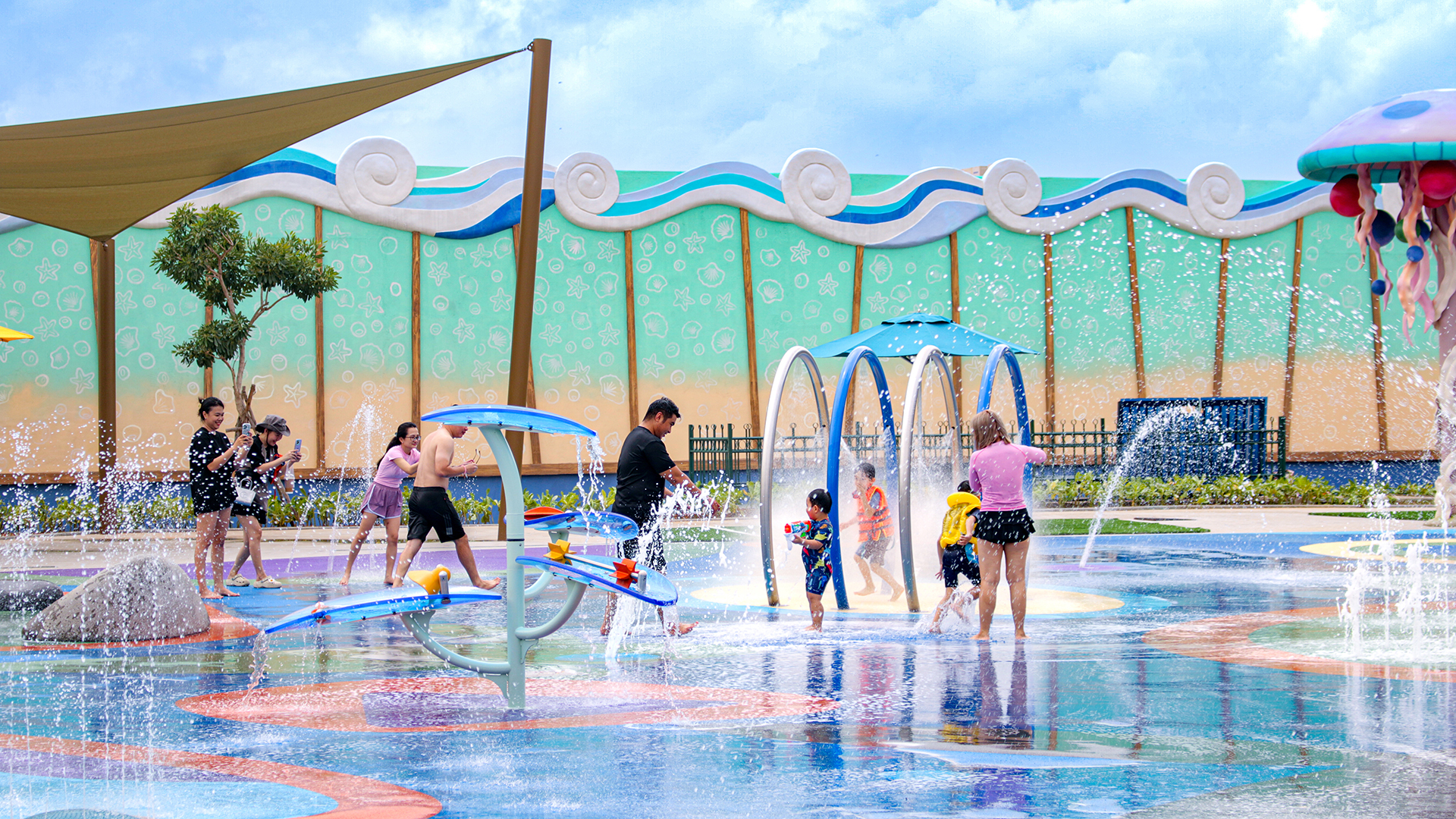
Water brings a play space to life. From colourful splash pads to shallow water-play areas, the surface beneath our feet helps shape how the space looks, feels and performs.
EPDM rubber surfacing offers opportunities to combine colour, comfort and creative design in aquatic environments. Choosing underwater EPDM flooring requires more than selecting a granule colour: the complete system must suit its intended water exposure, particularly where the floor will remain submerged.
What Is EPDM Flooring?
EPDM stands for ethylene propylene diene monomer, a synthetic rubber used in surfacing applications. In poured-in-place flooring, coloured rubber granules are mixed with a compatible binder and installed over a prepared base.
Aquatic rubber systems can be designed for splash pads, pool surrounds and water-play zones. Manufacturers offer EPDM or TPV granules combined with polyurethane binder for these applications, subject to specified water chemistry and operating conditions.
Installation Options
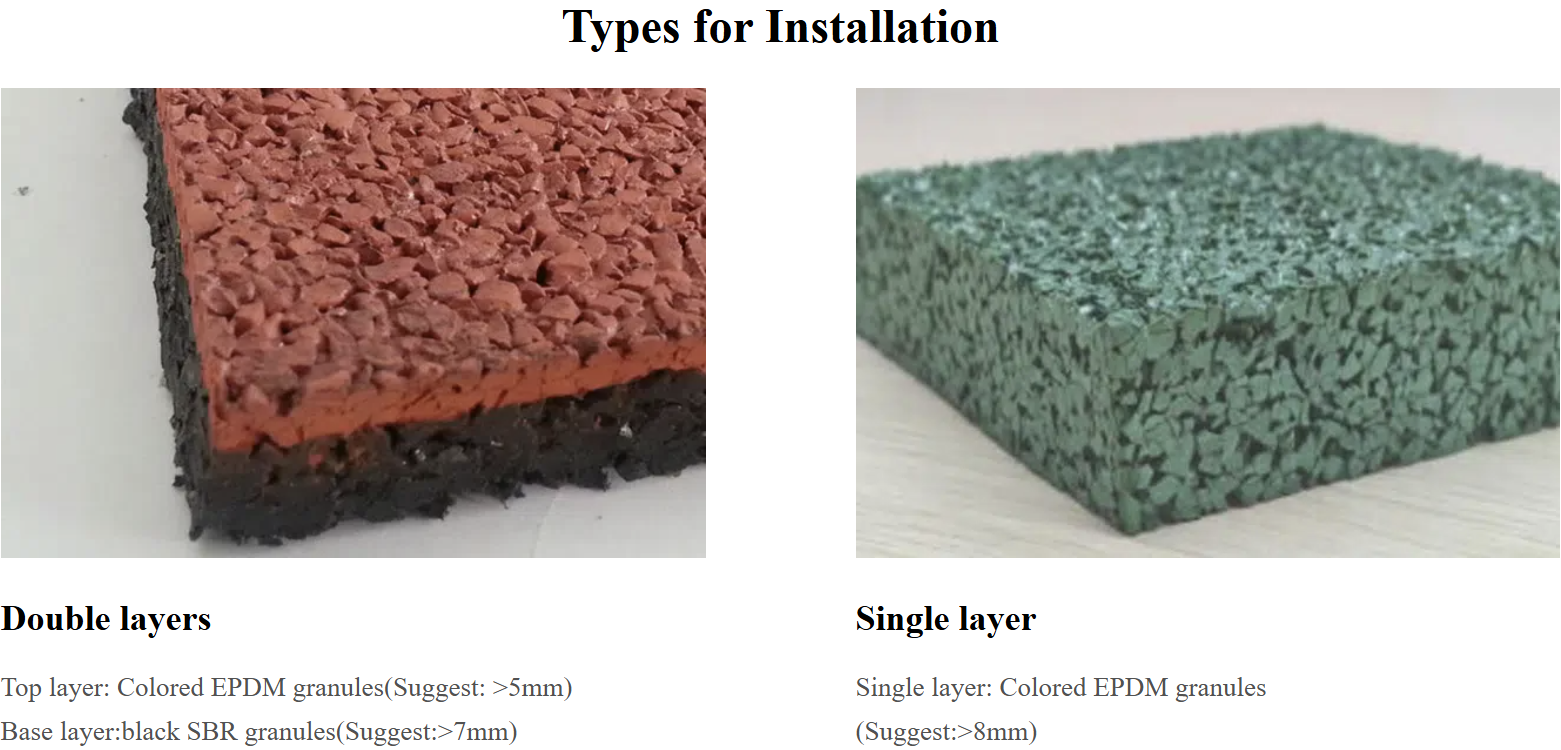
Double-Layer System
A coloured EPDM wearing layer is installed over a black SBR rubber base. The reference supplier suggests a top layer greater than 5 mm and a base layer greater than 7 mm.
Single-Layer System
Coloured EPDM forms the rubber surfacing layer directly over the prepared substrate. The reference supplier suggests a thickness greater than 8 mm.
Materials Used for Installation
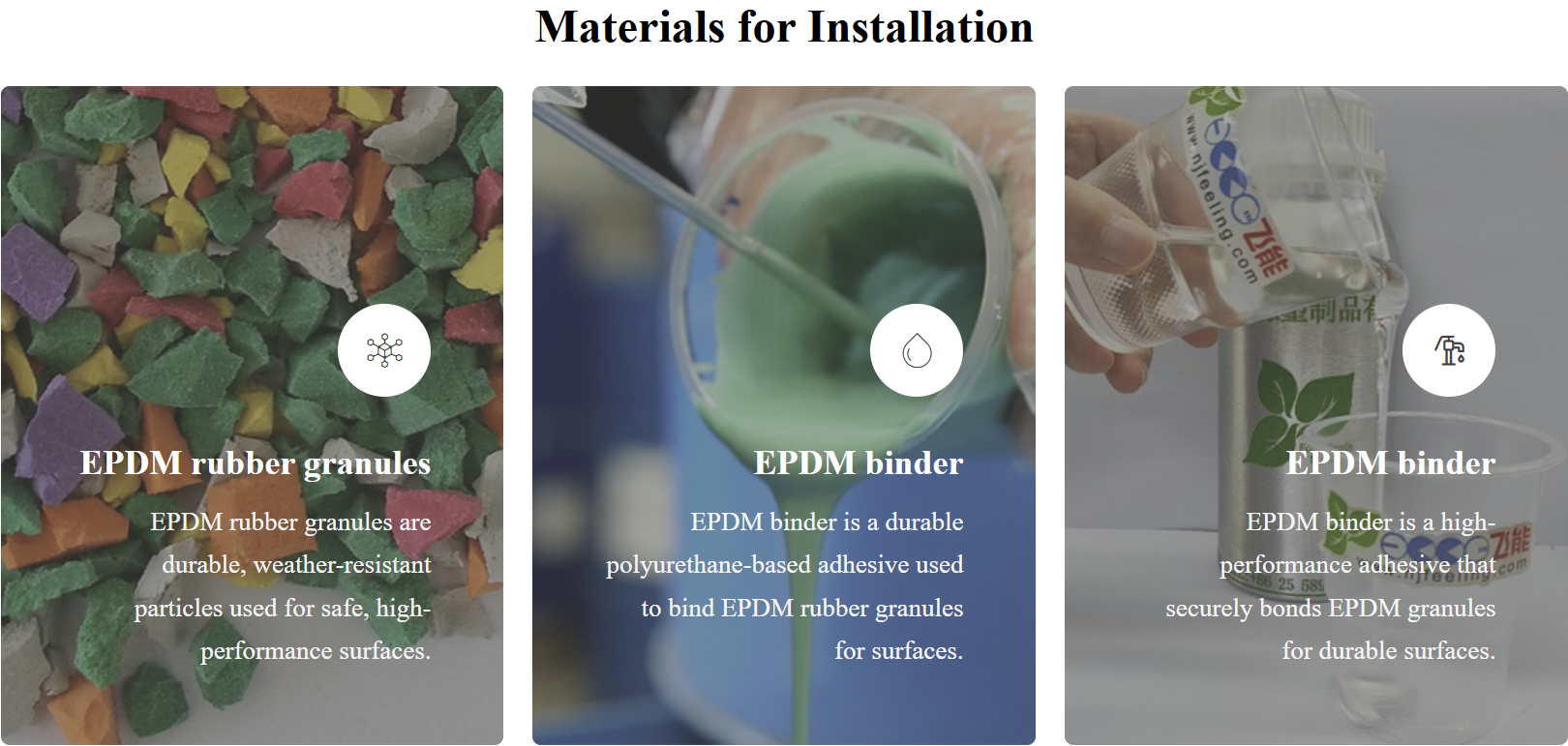
Coloured EPDM granules form the wearing surface and can be combined into patterns, borders and themed designs.
Polyurethane binder joins the granules into a continuous surface. Select a formulation suited to the proposed water treatment and exposure conditions.
Additional materials may include a substrate primer and an SBR base layer where specified. Follow the selected manufacturer’s requirements for compatibility, mixing and curing.
Can EPDM Flooring Be Used Underwater?
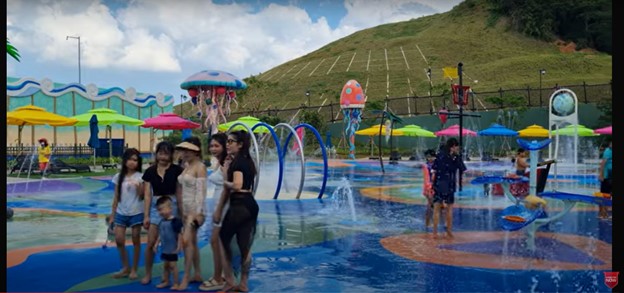
A poolside walkway experiences splashes and drying cycles. A splash pad receives frequent water exposure. A submerged floor stays in contact with water for longer. Each needs its own specification.
Even specialist aquatic products have limitations. Rubberecycle, for example, advises against prolonged complete submersion of AquaBond.
For underwater use, request written confirmation that the proposed granules, binder, primer and substrate arrangement suit the intended immersion conditions. Confirm water treatment, operating temperature, cleaning methods and warranty coverage before selection.
Why Consider EPDM for Water-Play Spaces?
Comfort and Surface Texture
Rubber surfacing can provide a cushioned feel, while its texture can support wet-area grip. Performance depends on the installed system. Request wet-slip test information and, where impact protection is required, evidence for the proposed thickness and build-up. The reference identifies cushioning and wet-area traction as potential benefits.
Colour and Creative Layouts
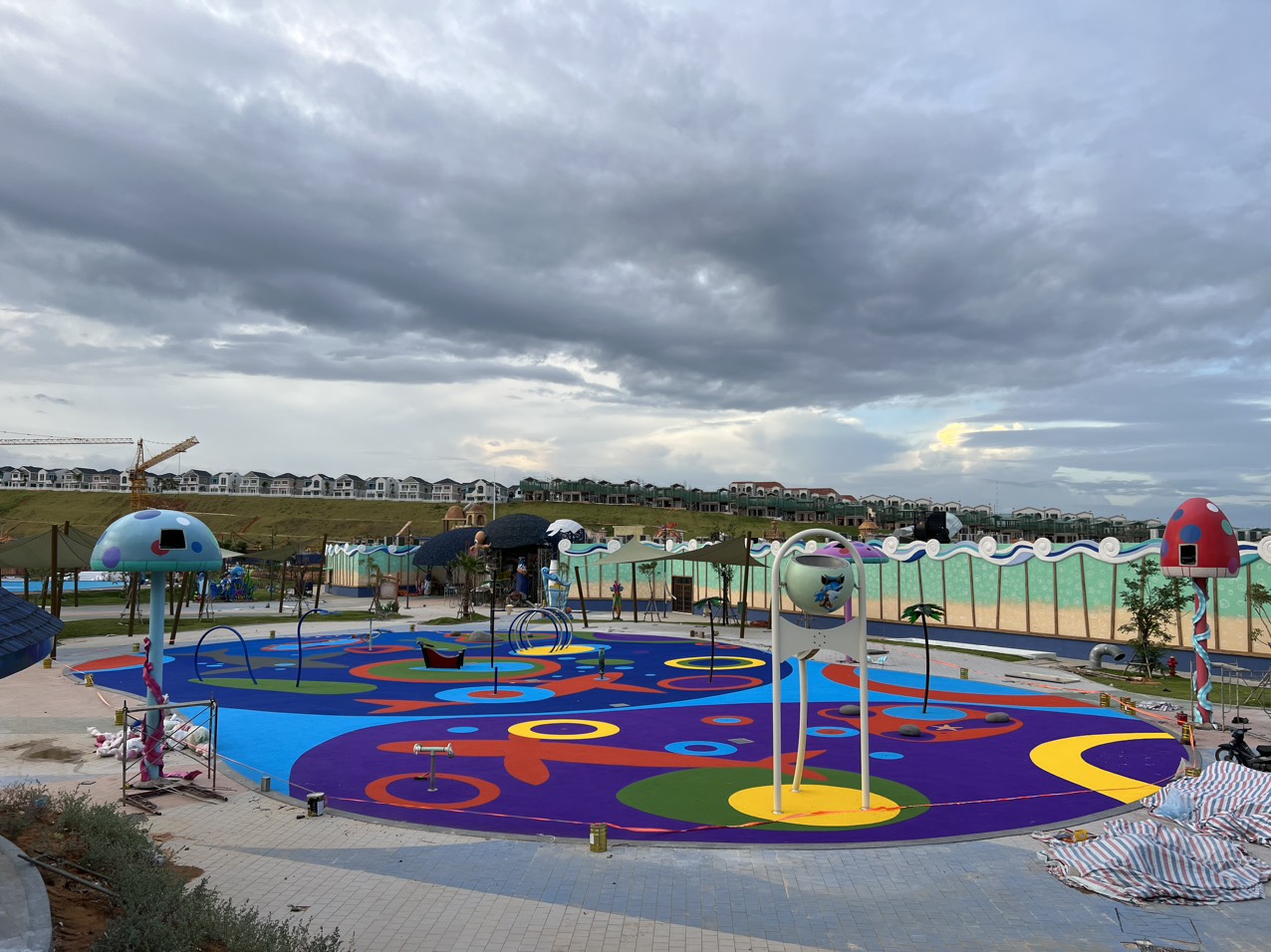
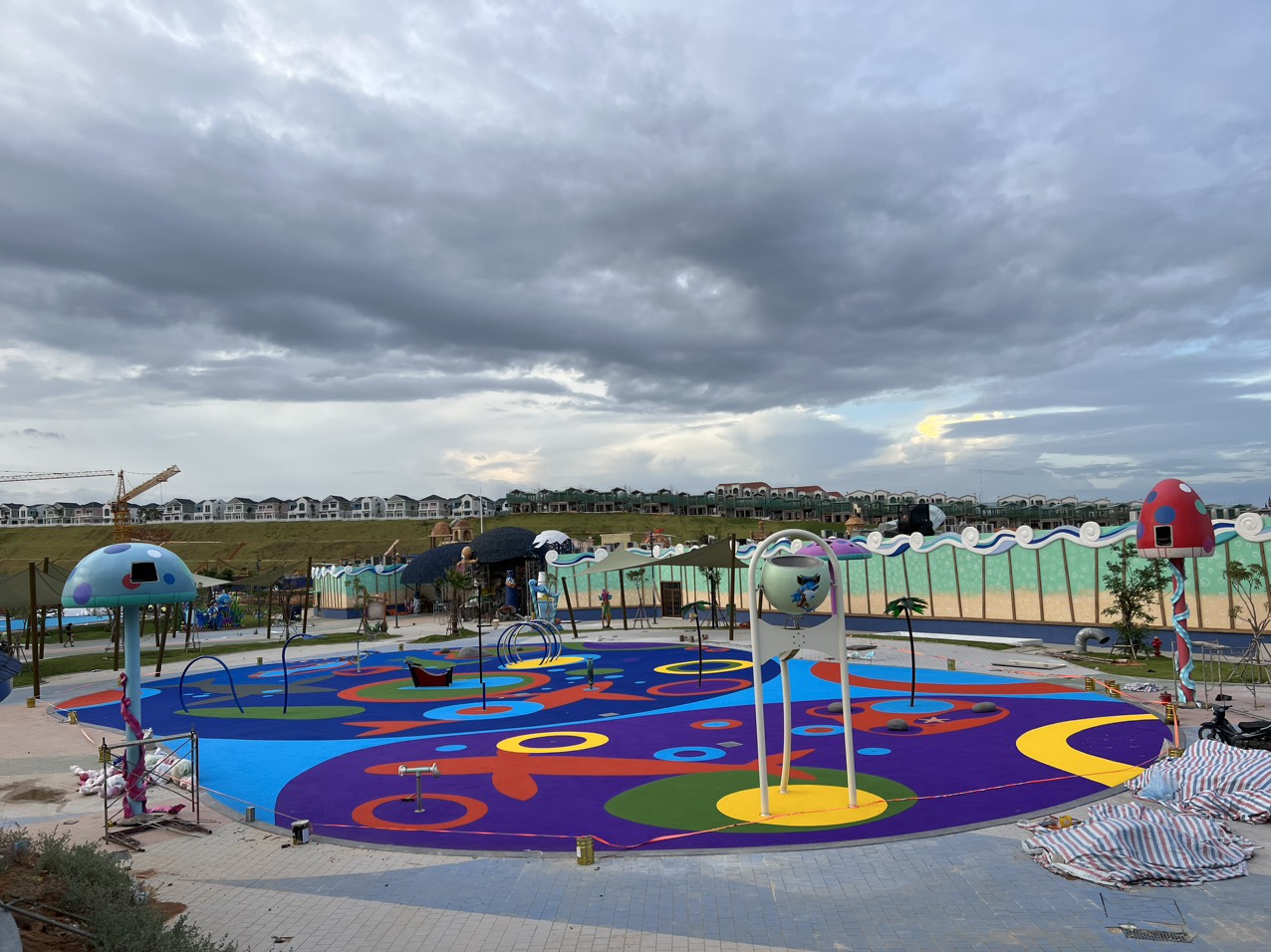
Coloured granules offer scope for patterns and themed graphics. The supplied photographs show sweeping curves and bright circles around play features. Plan the design around entrances, drains and activity zones so that it works with the space.
Drainage in Splash Areas
Some poured-in-place rubber systems are permeable, but the supporting base still needs an effective drainage design. Fortco’s aquatic EPDM specification requires falls in the asphalt or concrete beneath its permeable surface.
For submerged areas, treat water containment and the decorative wearing surface as separate requirements. Do not assume porous EPDM surfacing will waterproof a pool.
Why the Binder Matters
The binder holds the granules together. Aquatic applications may require formulations designed for treated-water exposure. Polycoat, for example, offers a chlorine-resistant aliphatic binder for swimming pool areas and water parks. This description still needs checking against the precise conditions of a submerged installation.
Planning Your Project
- Water exposure: Establish whether the surface will receive occasional splashes, repeated wetting or continuous immersion.
- Water treatment: Confirm disinfectants, concentrations and cleaning products.
- Base and detailing: Plan connections to drains, fittings, edges and movement joints.
- Performance: Request relevant evidence for wet grip, adhesion and any required impact protection.
- Handover: Confirm curing time before filling, maintenance requirements and warranty conditions.
Review a sample panel for colour and barefoot texture before approving the installation.
Maintaining the Finished Surface
Obtain the manufacturer’s cleaning instructions, approved products and inspection schedule. Plan for debris removal, cleaning access, water-chemistry records and checks for loose granules, lifting edges or local damage. Confirm repair methods and the time repaired areas must remain out of service.
Start Your Water-Play Project with HKS Surfaces
A successful aquatic floor brings together thoughtful design and a system suited to its environment.
Contact HKS Surfaces to discuss your project, design ideas and surfacing requirements. Share whether the floor will be intermittently wet or permanently submerged so suitability can be assessed from the outset.